Your Cart is Empty



BY SERIES
BY TYPE
UPHOLSTERY

WALLPAPER & MURALS
RUGS & VINYL MATS
WINDOW SHADES
CUSTOM DRAPERY
TEXTILES & FABRICS
OUR PERSPECTIVE
OUR PROCESS
OUR PROJECTS



OUR STORY
FAQ & PROCESSES
CONTACT US
SHIPPING & RETURN POLICY

Last Updated: September 3, 2026
The difference between mass-produced furniture and bespoke pieces is structural, functional, and deeply personal. When you commission custom furniture from a skilled designer, you're investing in a piece engineered to your exact specifications, crafted with materials selected for longevity, and designed to solve a specific problem in your home.
At KENDALL & Co, we've spent nearly three decades helping clients understand why artisanal, handcrafted furniture commands premium pricing. A luxury custom furniture designer conducts extensive consultations, sources materials from vetted suppliers, and oversees production with rigorous quality standards that mass manufacturers cannot match. A well-designed bespoke sofa will outlast five mass-market alternatives, and heirloom-quality pieces appreciate in character as they age. When a designer truly understands your lifestyle, space, and vision, the result is furniture that feels inevitable.
What separates luxury custom furniture comes down to three non-negotiable standards: joinery, materials, and finishing.
Joinery is where craftsmanship reveals itself. Hand-cut mortise-and-tenon joints, dovetail construction, and frame reinforcement with corner blocks create structural integrity that withstands decades of use. Mass-produced furniture relies on staples and glue, designed to fail within 5-7 years (peer-reviewed research). Bespoke pieces are built to last generations.
Materials in high-end custom furniture are selected for performance and longevity. Solid hardwoods like walnut, oak, and teak are kiln-dried to precise moisture content before milling. Upholstery uses eight-way hand-tied springs, high-density foam rated for commercial use, and natural fabrics chosen for durability. A luxury custom furniture designer sources these materials from suppliers with decades of reputation.
Finishing is applied by hand in multiple layers. Each layer is sanded smooth, inspected, and often hand-rubbed to achieve depth and protection. This process can take weeks for a single piece, resulting in a finish that develops character over time and resists damage far better than spray-applied factory finishes.
Understanding the timeline and workflow of commissioning bespoke furniture helps you set realistic expectations. The custom furniture design process typically unfolds across four distinct phases.
The first meeting is where everything begins. A skilled designer listens to understand how you live, what frustrates you about your current space, and what aesthetic resonates with you. The designer will measure your space, photograph it, and discuss your budget openly. KENDALL & Co approaches this stage as a collaborative exploration.
The output is typically a mood board, preliminary sketches, and a clear understanding of direction. You should leave feeling heard and excited.
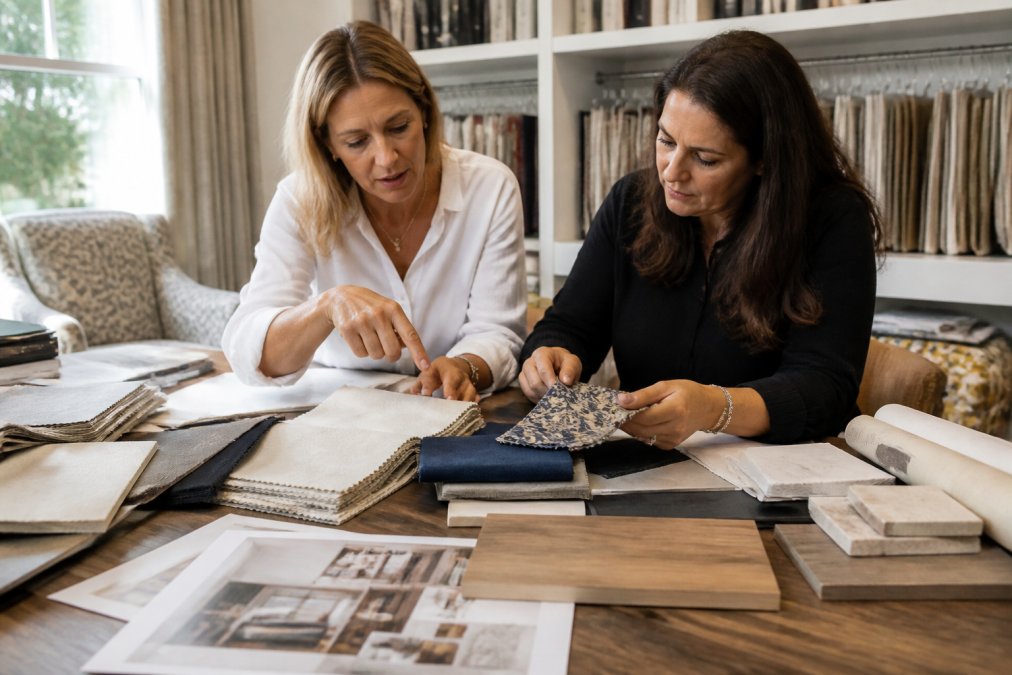
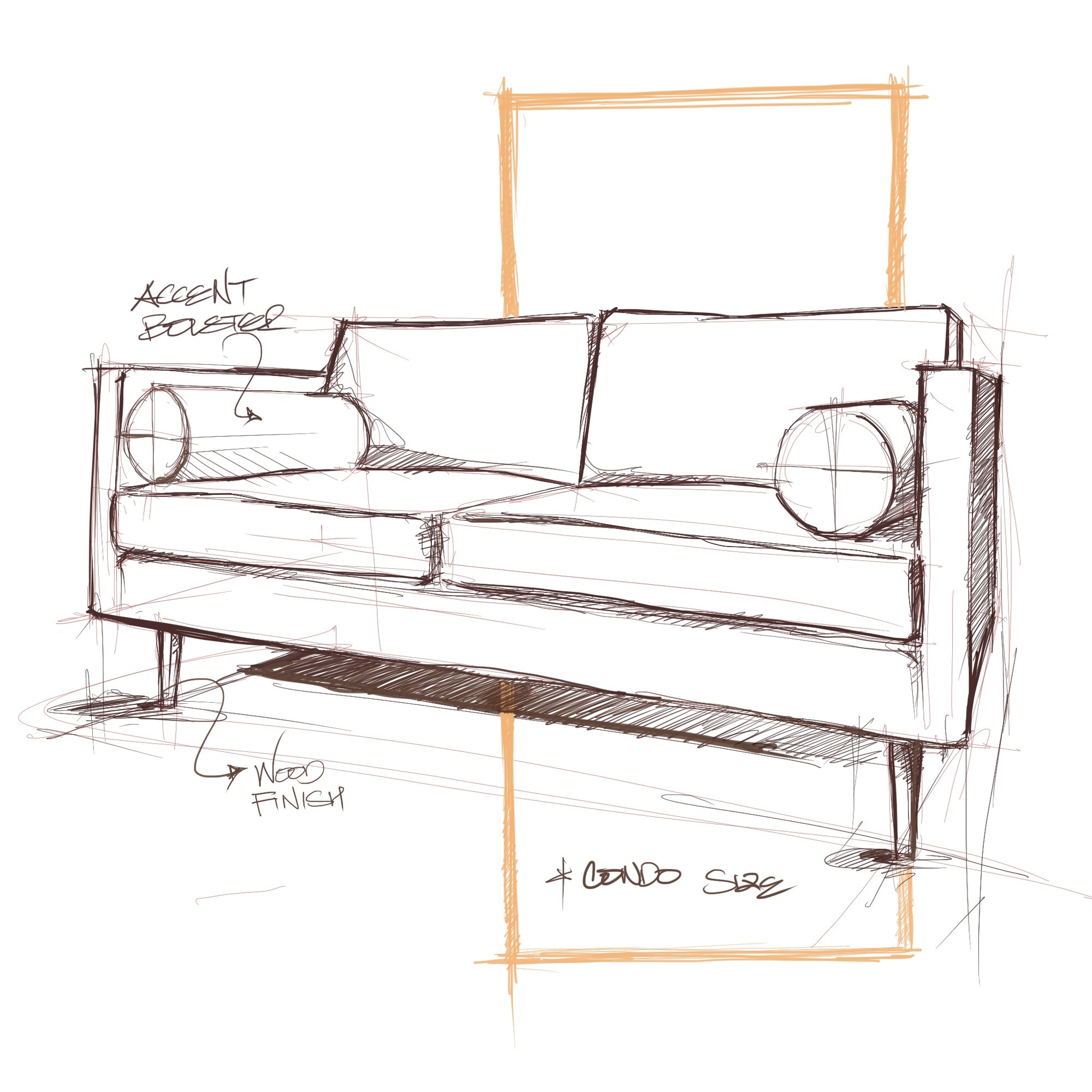
Once the vision is established, the designer develops detailed drawings and 3D renderings so you can see the piece from every angle before production begins. Material selection is critical. You'll review actual samples of wood stain on your chosen species, feel fabric swatches in your home's lighting, and see how colors interact with existing décor. A luxury custom furniture designer provides curated options aligned with your aesthetic and functional needs.
This phase typically takes 2-4 weeks.
Once designs are finalized and materials approved, the piece moves into the craftsperson's workshop. A handcrafted dining table with custom joinery, solid wood base, and hand-finished top requires weeks of work. The wood must acclimate to your region's humidity, joints must be cut precisely and glued under controlled conditions, and upholstery requires hand-tying springs, layering foam, and stitching fabric by hand.
Quality assurance happens throughout production. The designer or their team inspects work at key milestones to ensure standards are met. Production timelines vary depending on complexity, but expect 8-16 weeks for most pieces.
A bespoke furniture lead time of 12-16 weeks is standard for most handcrafted pieces. This reflects the reality of working with solid materials, hand-executed techniques, and quality oversight that cannot be rushed.
Weeks 1-2: Design finalization, material sourcing, and workshop scheduling.
Weeks 3-6: Wood preparation and frame construction. Solid wood must acclimate to your region's climate before milling. Joints are cut, test-fit, glued, and allowed to cure.
Weeks 7-10: Upholstery construction and intermediate finishing. Springs are hand-tied, foam is layered, and fabric is stretched and stitched. Stain or base coats are applied and allowed to dry fully between coats.
Weeks 11-14: Final finishing, hardware installation, and quality inspection.
Weeks 15-16: Delivery coordination and installation.
If you need something sooner, understand that compressed timelines come with trade-offs. A 6-week lead time means fewer finish coats and potentially less stable joinery.
The material choices in luxury custom furniture design determine both the piece's lifespan and its environmental impact.
Solid Hardwoods form the foundation of bespoke furniture. Walnut, oak, maple, cherry, and teak are prized for their grain character, stability, and longevity. A skilled designer selects species for aesthetics and performance in your climate and use case.
Upholstery Materials in high-end pieces use natural fibers, linen, wool, cotton, or blends, rather than synthetics. Natural fabrics breathe, age beautifully, and can be re-upholstered when worn. Look for fabric rated for residential use (typically 20,000-40,000 double rubs on the Martindale scale) to ensure durability (astm.org).
Finishes range from natural oils that highlight wood grain to lacquers that provide maximum protection. Oil finishes are more sustainable and easier to repair, but require more maintenance. Lacquers are more durable and water-resistant, but cannot be easily touched up.
Sustainable Sourcing has become essential in luxury design. Responsible custom furniture designers source wood from certified sustainable forestries, use low-VOC finishes, and minimize waste. KENDALL & Co prioritizes ethically sourced products and incorporates Canadian-made options where possible.
One of the most common concerns clients express is fear that bold, maximalist interiors will feel overwhelming. This concern is valid and entirely solvable with the right approach.
Maximalism isn't about filling every surface with stuff. It's about intentionality, curated collections, and layered aesthetics that tell a story. The difference between a maximalist room that feels sophisticated and one that feels chaotic comes down to three principles: color strategy, scale variation, and negative space.
Color Strategy means committing to a palette rather than random eclecticism. A maximalist room might feature deep jewel tones balanced with neutrals and metallics. The key is coherence; every color choice reinforces the overall mood.
Scale Variation prevents visual fatigue. Pair large-scale patterns with small-scale ones. Mix oversized furniture pieces with delicate accessories. Layer textures, smooth velvet against rough linen, polished wood against raw stone.
Negative Space is the secret weapon of sophisticated maximalism. Even in a bold room, some surfaces breathe. A wall might be patterned, but the adjacent wall is solid color. This breathing room anchors the eye and prevents sensory overload.
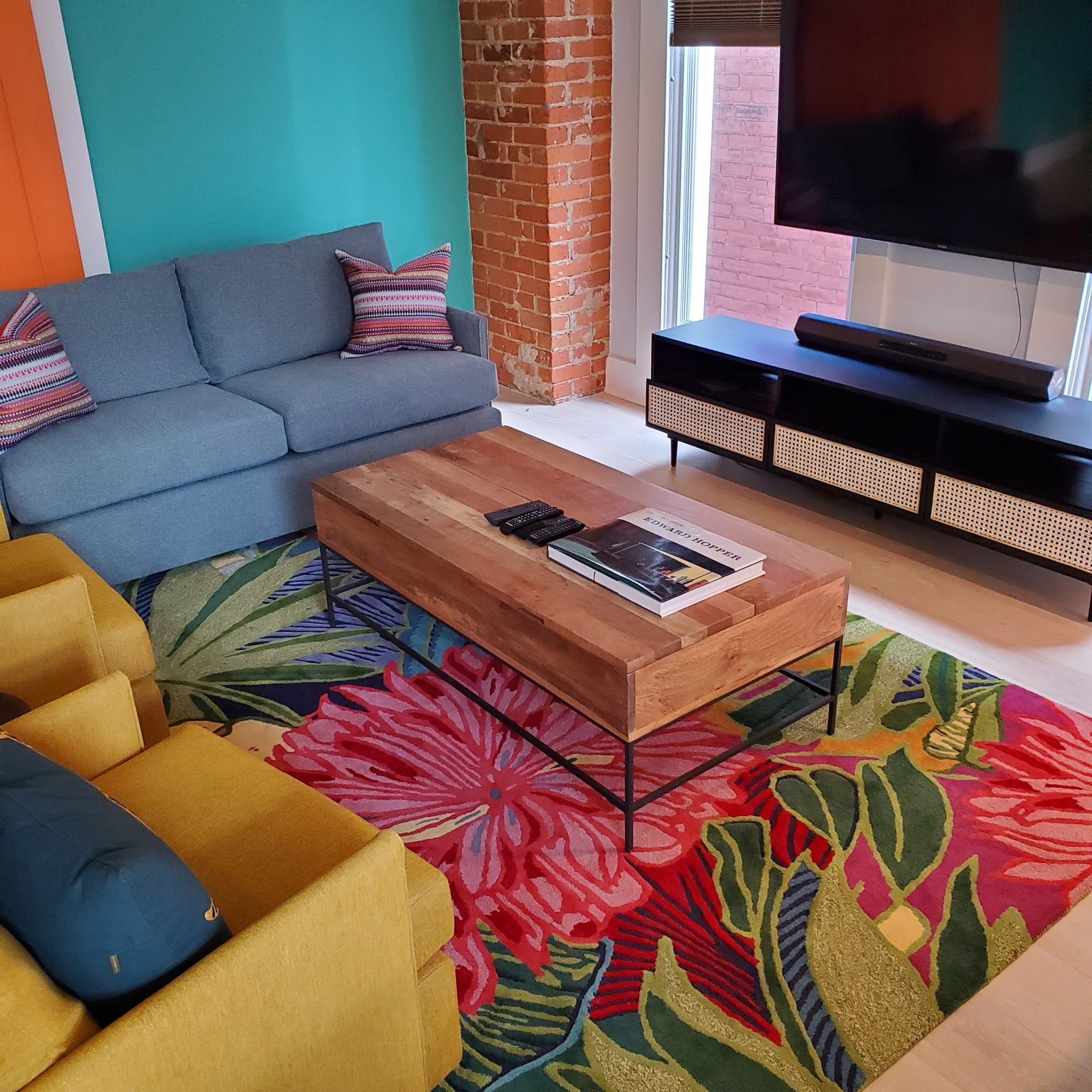
When commissioning custom furniture for a maximalist space, work with a designer who understands these principles. The furniture itself should be a strong statement, but it should anchor the room rather than compete with everything else. A custom sofa in a jewel-tone velvet becomes the focal point; accessories layer around it.
Your investment in luxury custom furniture only pays off if you maintain it properly. Bespoke pieces are built to last, but they require appropriate care.
Solid Wood Furniture needs humidity control and regular cleaning. Maintain indoor humidity between 35-55% to minimize stress on joints (the NIH). Clean solid wood surfaces monthly with a soft, lint-free cloth. For deeper cleaning, use a wood cleaner formulated for your specific finish. Avoid water-based cleaners on unfinished wood.
Upholstered Pieces benefit from regular vacuuming with an upholstery attachment. Blot spills immediately with a clean cloth; don't rub. Use a professional upholstery cleaner annually. Rotate cushions seasonally to ensure even wear. Most high-end upholstery can be professionally re-upholstered when worn, extending the piece's life indefinitely.
Finished Surfaces should be protected from direct sunlight, which fades finishes over time. Avoid placing hot items directly on finished surfaces; always use trivets or coasters. For oil finishes, reapply oil annually. For lacquered finishes, minor scratches can be touched up with matching lacquer.
Hardware and Metal Accents should be cleaned gently with a soft cloth. Avoid abrasive cleaners that scratch or dull finishes.
A bespoke sofa maintained carefully will serve your family for 30+ years.
Commissioning custom furniture requires patience, clear communication, and trust in a designer's expertise. The process is longer than buying off-the-shelf, but the result is a piece uniquely suited to your home, lifestyle, and aesthetic vision.
KENDALL & Co has guided clients through this journey for nearly three decades. Our team specializes in maximalist interiors, bespoke furniture design, and thoughtful curation that transforms a house into a home. Whether you're commissioning a custom sofa, designing a dining room, or reimagining your entire interior, we approach every project with the same commitment to craftsmanship, sustainability, and your vision. Click Here to Shop and explore how custom furniture can elevate your space.
A: Bespoke furniture lead times vary based on complexity, materials, and workshop capacity. Lead times depend on quantity, dates needed, and delivery logistics. Always discuss timelines during your initial consultation and confirm production schedules in writing.
A: Seek designers who demonstrate strong portfolio work aligned with your aesthetic, clear communication about the design process, and transparent pricing structures. Ask about their craftsmanship standards, material sourcing practices, and warranty or guarantee policies. Verify they listen to your vision rather than imposing their own style, and confirm they work within your geographic area or offer remote consultation options.
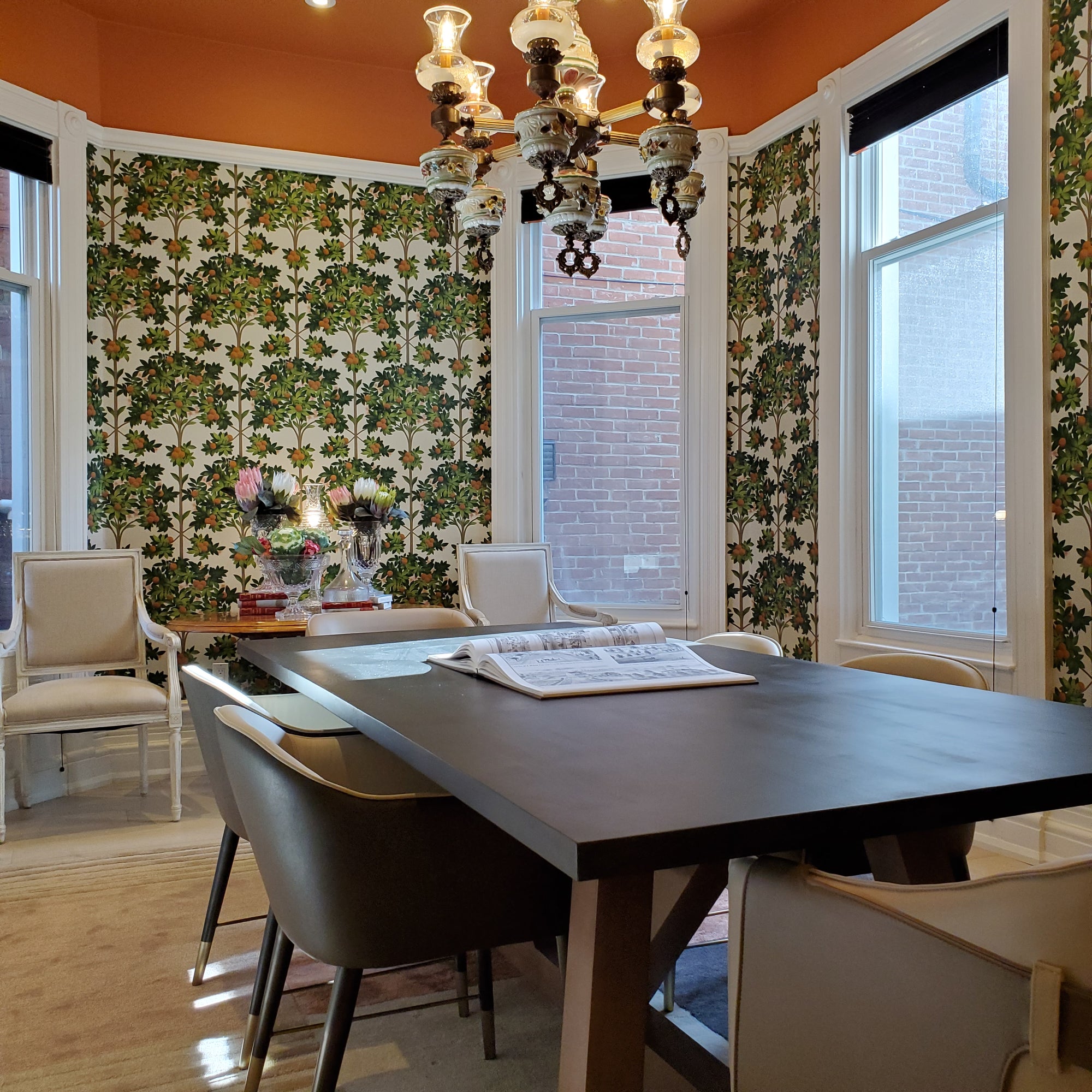
A: Premium bespoke furniture showcases superior joinery techniques, hand-finished details, and carefully curated materials like solid walnut, oak, or teak. High-end craftsmanship standards include precision construction, quality upholstery work, durable finishes, and attention to both aesthetics and functionality. Artisanal makers typically offer customization in dimensions, colors, and hardware, ensuring each piece is truly one-of-a-kind.
A: Absolutely. Experienced designers guide clients through the process regardless of design experience. They help balance bold colors and patterns with livable spaces, ensuring your home feels curated rather than chaotic. A good designer listens to your concerns, educates you about layering textures and colors, and creates a tailored vision that matches your comfort level with maximalism.
A: Maintenance depends on materials and finishes. Solid wood pieces benefit from regular dusting and occasional conditioning with appropriate wood care products. Upholstered furniture should be vacuumed regularly and protected from direct sunlight. Ask your designer for specific care instructions for your piece's materials and finishes. Proper care extends the life of handcrafted furniture and preserves its investment value for years.
Comments will be approved before showing up.